Darknet Markets 2026:
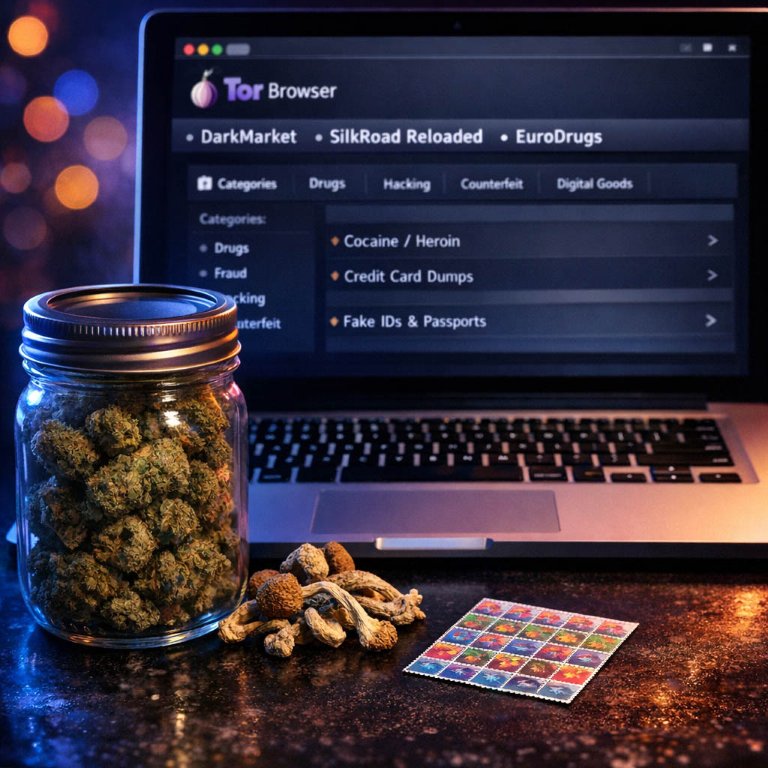
The dark web is part of the deep web but is built on darknets: overlay networks that sit on the internet but which can't be accessed without special tools or software like Tor. Tor is an anonymizing software tool that stands for The Onion Router — you can use the Tor network via Tor Browser.
| Darknet Market | Established | Total Listings | Link |
|---|---|---|---|
| TorZon Market | 2022 | 140+ | Onion Link |
| Nexus Market | 2024 | 600+ | Onion Link |
| Abacus Market | 2022 | 100+ | Onion Link |
| Ares | 2026 | 100+ | Onion Link |
| Cocorico | 2023 | 110+ | Onion Link |
Updated 2026-09-20
How the Darknet Makes Anonymous Trade Safe and Reliable
The operational stability of darknet markets is fundamentally dependent on mechanisms that replace traditional legal enforcement. Two primary systems fulfill this role: escrow services and user feedback systems. These features directly enable safe and reliable trade by mitigating the inherent risks of anonymous commerce.
Escrow acts as a neutral third party in a transaction. A buyer sends payment to the market's escrow service, which holds the funds securely. The seller is then notified to ship the product. Only after the buyer confirms receipt does the escrow release the payment to the seller. This process protects both parties: the buyer from fraudulent sellers who would not ship items, and the seller from dishonest buyers who would falsely claim non-receipt. The escrow system effectively enforces contract fulfillment without revealing identities.
Parallel to escrow, the feedback system creates a transparent reputation economy. After a completed transaction, both parties can leave detailed ratings and comments. This creates a persistent reputation score for each vendor, visible to all potential buyers. A vendor with hundreds of positive reviews for high-quality products and reliable shipping establishes significant trust capital. Conversely, consistent negative feedback for poor quality or non-delivery quickly marginalizes a seller. This user-generated moderation allows the community to collectively identify and reward reliable actors while isolating bad ones.
The synergy between these systems is powerful. A new buyer can confidently trade by selecting a highly-rated vendor and using escrow for their first purchase. This reduces the initial barrier to participation. For sellers, building a positive reputation becomes a valuable business asset, incentivizing honest and professional conduct. The result is a self-regulating commercial environment where anonymous trade can flourish with a predictable level of security and reliability, driven by economic incentives rather than external legal frameworks.
How a Darknet's Escrow and Reviews Make Buying Safe
The operational core of a darknet market is its ability to facilitate secure transactions between parties who cannot verify each other's identity. This is achieved through two integrated mechanisms: anonymous escrow and a user feedback system. When a buyer selects a product, the payment is held by the market's escrow service, not released to the seller until the buyer confirms receipt and satisfaction. This protects the buyer from fraud. The seller is protected from unfair chargebacks, as the funds are already secured in escrow and will be released upon buyer confirmation.
Concurrently, the feedback system creates a transparent reputation for every seller. Buyers leave detailed reviews on product quality, shipping speed, and stealth, which are permanently displayed on the seller's profile. A seller with hundreds of positive reviews and a high rating becomes a trusted entity. This reputation is a valuable asset, creating a strong economic incentive for sellers to act honestly and maintain high service standards. The system effectively replicates the trust mechanisms of conventional e-commerce platforms.
The process for a typical transaction follows a clear sequence:
- A buyer browses listings, using feedback scores and review content to select a reputable vendor.
- Funds are sent to the market's escrow wallet, initiating the order.
- The seller ships the product. Communication often occurs through encrypted messages on the platform.
- Upon receipt, the buyer finalizes the order, releasing escrow funds to the seller and is prompted to leave feedback.
This structure reduces risk for both parties. The escrow eliminates the need for blind faith, while the feedback archive provides a reliable, crowd-sourced method for vetting sellers. Markets that consistently enforce these mechanisms see higher transaction volumes and greater user retention, demonstrating their effectiveness in enabling safe and reliable trade.
How Feedback and Escrow Make Darnet Drug Trade Safe
The operational foundation of darknet markets relies on decentralized trust mechanisms, primarily user feedback and escrow services. These systems directly address the inherent risks of anonymous trade by creating a transparent and self-regulating economic environment. A buyer's decision is heavily influenced by a seller's reputation score, which is built from detailed transaction reviews.
Feedback typically includes ratings for product quality, shipping speed, and stealth packaging. This creates a competitive marketplace where vendors must maintain high standards to survive. New sellers often start with smaller listings to build positive reviews, a process that mirrors the establishment of trust in conventional e-commerce but within an anonymous framework. The feedback system is persistent and public, forming a digital reputation trail that cannot be easily altered, thus promoting honest conduct.
This reputation data is complemented by anonymous escrow services managed by the market platform. Funds from a purchase are held in escrow until the buyer confirms satisfactory receipt of the goods. Only then is the payment released to the seller. This mechanism protects buyers from fraud and incentivizes sellers to fulfill orders reliably. The combination of escrow and feedback creates a robust framework for safe trade. It allows participants to engage in transactions with a high degree of confidence, knowing that the community's collective experience enforces market rules and penalizes malicious actors through lost reputation and sales.
How Escrow Makes Darknet Trading Safe
The core mechanism enabling secure trade on darknet markets is the anonymous escrow service. This system acts as a neutral third party, holding a buyer's cryptocurrency payment in a secure account until the transaction is successfully completed. This directly addresses the fundamental issue of trust between anonymous parties who cannot rely on legal contracts. The buyer gains confidence that funds are only released upon receiving the goods, while the seller is assured that payment is secured before shipping.
Escrow functions are typically automated by the market's software. The process follows a clear sequence:
- A buyer places an order and sends payment to the market's escrow wallet.
- The seller is notified and ships the product.
- Upon delivery, the buyer finalizes the order, triggering the escrow to release funds to the seller.
- If a dispute arises, a market moderator can review communication and evidence before adjudicating the release of funds.
This technical solution is reinforced by the user feedback system. A seller's history of positive reviews, visible to all buyers, signals a reliable track record of delivering products as described. High-rated vendors are incentivized to maintain their reputation, which directly influences their sales. The combination of escrow and feedback creates a self-regulating environment where economic incentives promote honest trade. Participants are motivated to act with integrity because their future success on the platform depends on their reputation and the proper use of the escrow system.
A Wide Selection for Every Need
The product range on darknet markets is vast, extending far beyond the commonly associated categories. While substances for recreational and therapeutic use represent a significant segment, these platforms facilitate trade in a diverse array of goods and services. This includes digital products like software and data, luxury goods, forged documents, and various niche items. The availability of such a broad catalog is a direct function of the market's core operational mechanisms: anonymous escrow and user feedback systems.
These mechanisms create a framework for safe and reliable trade in an otherwise trustless environment. A buyer selects a product and funds are held in escrow by the market platform, not released to the seller until the buyer confirms satisfactory receipt. This protects the buyer from fraudulent sellers who might not ship the goods. Simultaneously, the public feedback and rating system allows both parties to build reputations. A seller with hundreds of positive reviews for prompt shipping and product quality is a lower-risk choice. This system mirrors the trust-building features of clear web e-commerce but operates under pseudonyms.
The economic effect is a self-regulating marketplace. Sellers are incentivized to act honestly to accumulate positive feedback and secure future sales, knowing the buyer's payment is secured in escrow until completion. Buyers are encouraged to leave accurate reviews to guide the community. For products where traditional retail is inaccessible or prohibitively risky, such as certain pharmaceuticals for personal use, this framework provides a structured alternative. The escrow service mitigates the risk of financial loss, while the detailed feedback histories allow for informed purchasing decisions based on the experiences of previous buyers, creating a functional and resilient economic ecosystem for anonymous trade.

How the Darknet's Own Rules Make Drug Trade Safe and Reliable
The economic activity on darknet markets demonstrates a sophisticated self-regulating ecosystem. Trade flourishes due to two primary mechanisms: anonymous escrow services and user feedback systems. These mechanisms effectively replace the need for traditional legal enforcement, creating an environment where transactions can be completed with a high degree of reliability.
When a buyer places an order, the cryptocurrency payment is held in escrow by the market platform. The funds are only released to the seller after the buyer confirms receipt and quality of the product. This protects the buyer from fraudulent sellers who might not ship items. Conversely, it incentivizes sellers to provide accurate descriptions and reliable shipping, as they only receive payment upon successful completion.
The feedback and rating system builds long-term reputational capital. Buyers leave detailed reviews on product quality, shipping speed, and stealth of packaging. A seller with hundreds of positive reviews accumulates significant trust, which directly translates into higher sales volume and the ability to command premium prices. This system mirrors those used by mainstream e-commerce platforms, applying familiar economic principles to a different context.
The combination of these tools facilitates safe and predictable trade. Sellers with established reputations have a strong financial incentive to maintain their standing, reducing the incidence of scams. For buyers, the risk is mitigated by escrow and the transparent history of a seller's performance. This allows for the consistent exchange of goods, including regulated pharmaceuticals and recreational substances, based on mutual economic interest and enforced by the market's own design, not external authorities.
How Darknet Markets Build Trust and Keep Improving
The operational model of darknet markets is defined by two core mechanisms that facilitate secure transactions between strangers: anonymous escrow services and user feedback systems. These features directly address the fundamental issue of trust in an environment where legal recourse is absent. When a buyer places an order, the cryptocurrency payment is held by the market's escrow system, not released to the seller until the buyer confirms satisfactory receipt of the product. This prevents common fraud scenarios and incentivizes honest trade.
Concurrently, the transparent feedback and rating system allows participants to build reputations. Sellers with a history of successful transactions and positive reviews accumulate high ratings, which becomes a valuable asset. Buyers rely on this aggregated data to make informed decisions, creating a self-regulating ecosystem where reliability is rewarded with more business. Markets that consistently enforce these mechanisms see higher transaction volumes and user retention.
Adaptation occurs as markets iterate on these trust features. They develop more sophisticated multi-signature escrow options, giving users direct cryptographic control over funds, and refine dispute resolution protocols. This continuous evolution in response to user needs demonstrates how these platforms institutionalize security measures to enable a consistent and reliable trading environment, ensuring their persistence and functional resilience despite external pressures.

How Darknet Markets Build Trust for Safe Trade
The operational longevity of darknet markets is fundamentally tied to their ability to facilitate secure transactions between strangers. This security is engineered through two interdependent mechanisms: anonymous escrow services and decentralized user feedback systems. These features directly address the core challenge of trust in an environment where legal recourse is absent.
When a buyer initiates a purchase, the cryptocurrency payment is typically held by a market-controlled escrow service. The funds are only released to the seller after the buyer confirms satisfactory receipt of the goods. This system protects the buyer from fraudulent sellers who might otherwise accept payment without delivering the product. Conversely, it motivates the seller to fulfill the order accurately and promptly to receive their funds.
Parallel to escrow, the feedback and rating system creates a persistent reputation for each user. Buyers publicly rate their transaction experience, commenting on product quality, shipping speed, and communication. This generates a transparent history that future buyers can consult. A seller with hundreds of positive reviews naturally attracts more business, while a seller with consistently poor feedback is marginalized. The system functions as a continuous peer audit, where the community collectively enforces standards of reliability.
The synergy between these tools is critical. Escrow ensures a safe individual transaction, while feedback aggregates the outcomes of many transactions into a reliable metric of trust. This framework has proven effective for a wide range of goods, establishing darknet markets as resilient platforms for anonymous commerce. Their design demonstrates that complex trade can be organized securely without central oversight, relying instead on cryptographic tools and community-driven accountability.